Bee Balm
For sale in Lawrenceville, GA
- Fast, spreads by rhizomes
- Full Sun to Part Shade
- Cold hardy to USDA Zone 8a
- Deer resistant
Secure checkoutLicensed & insured installation crew
About Bee Balm
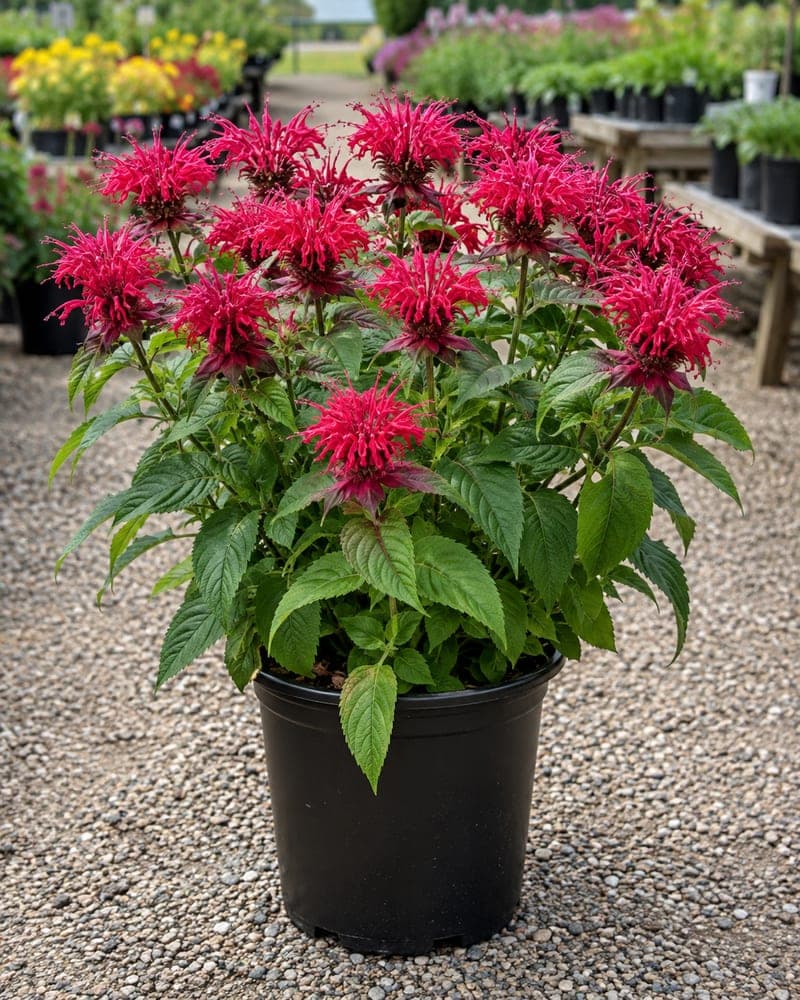
Bee Balm (Monarda didyma and Monarda fistulosa) is a native Eastern U.S. wildflower producing shaggy, unusually shaped flower heads in shades of red, pink, or lavender that are a top attractant for hummingbirds, bees, and butterflies throughout its summer bloom season, hence the common name. It grows quickly to 2-4 feet tall and spreads steadily by underground rhizomes, gradually forming a larger colony over a few seasons, useful for naturalizing a pollinator garden bed but worth siting where its spreading habit can be accommodated or contained. Bee Balm can be prone to powdery mildew in Georgia's humid summers, particularly in crowded plantings with poor air circulation; choosing mildew-resistant cultivars and providing good spacing significantly reduces this issue. As a native species, it is well adapted to Georgia's clay soil and tolerates both full sun and part shade, performing best with consistent moisture rather than extended drought. Its aromatic foliage, which smells faintly of mint and citrus when crushed, is deer resistant, and the flowers are edible and were historically used in herbal teas.
🚚 Delivery available to Lawrenceville and all of Gwinnett County — see our service area for exact timing.
Plant Specifications
| Mature Height | 2-4 ft |
|---|---|
| Mature Width | 1.5-2 ft (spreads by rhizomes) |
| Sun Requirements | Full Sun to Part Shade |
| Water Needs | Moderate — consistent moisture, avoid drought stress |
| Bloom Season | Summer |
| Growth Rate | Fast, spreads by rhizomes |
| USDA Hardiness Zone | 8a |
| Deer Resistant | Yes |
| Pet Safe | Yes |
| Native to Georgia | Yes |
Planting Instructions & Regional Tips
Plant Bee Balm in full sun to part shade in soil amended with compost for moisture retention; space plants generously, 18-24 inches apart, to improve air circulation and reduce powdery mildew risk in Georgia's humid summers. Water consistently, especially during dry spells. Divide clumps every 2-3 years to control spread and maintain vigor, since it spreads by rhizomes. Once established in a Gwinnett County landscape, it needs only occasional deep watering during dry stretches rather than a regular irrigation schedule.
Fast Facts
- Native Eastern U.S. wildflower
- Shaggy, unusual flower heads attract hummingbirds and butterflies
- Mature size: 2-4 ft tall, spreads by rhizomes
- Prone to powdery mildew — needs good air circulation
- Deer resistant, aromatic mint-citrus scented foliage
- Blooms in summer, edible flowers historically used in tea
Pairs Well With
Bee Balm FAQs
Does Bee Balm get powdery mildew in Georgia?
Yes, Bee Balm can be prone to powdery mildew in Georgia's humid summer conditions, especially in crowded plantings with poor air circulation. Spacing plants generously, choosing mildew-resistant cultivars, and ensuring good airflow around the planting significantly reduces this common problem.
Is Bee Balm native to Georgia?
Yes, Bee Balm is native to Georgia and the Southeastern United States, which makes it naturally well adapted to the region's clay soils, summer humidity, and Zone 8a climate. Native status generally means less supplemental water and fertilizer are needed once the plant is established in a Lawrenceville landscape.